10 Easy Taiwanese Recipes to Make at Home
 By S. H.November 25, 20265 Mins Read
Ten Taiwanese dishes I make at home
Here are all the Taiwanese recipes on my blog so far, from stir-fry restaurant classics to night market snacks. Dishes to eat with rice come first, then my mum’s winter soup, and street food to finish.
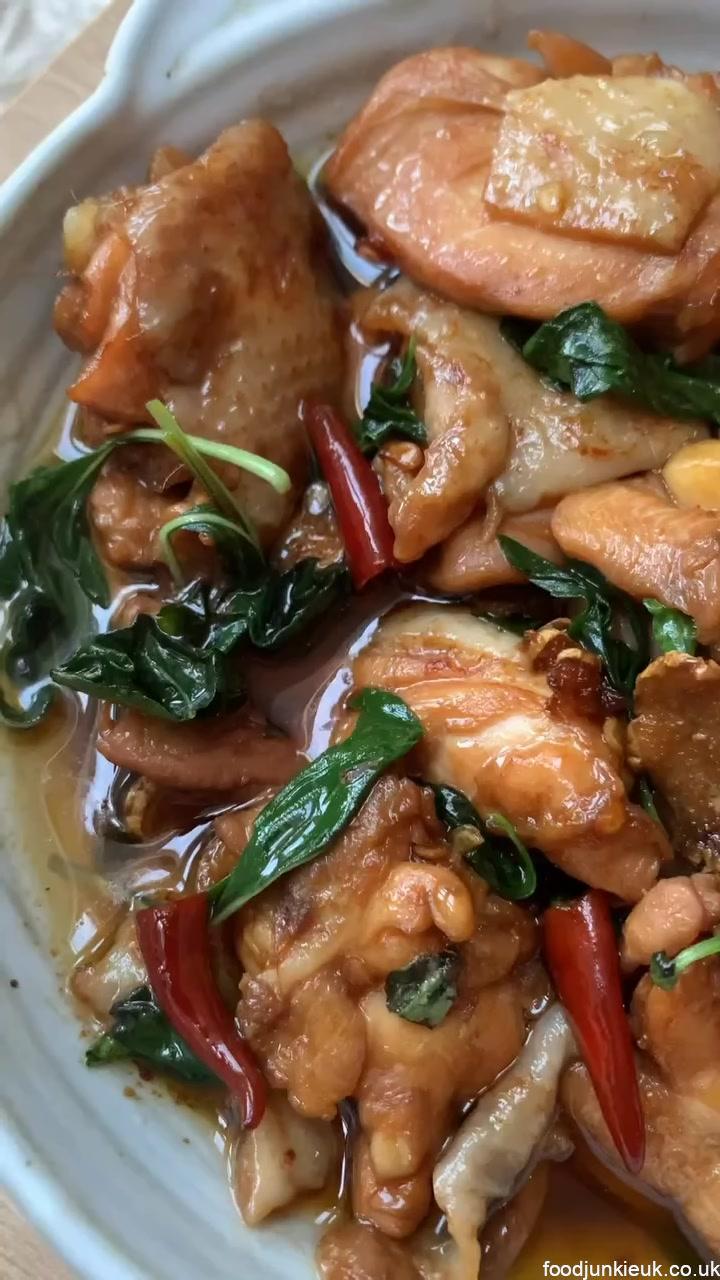
1. Three cup chicken
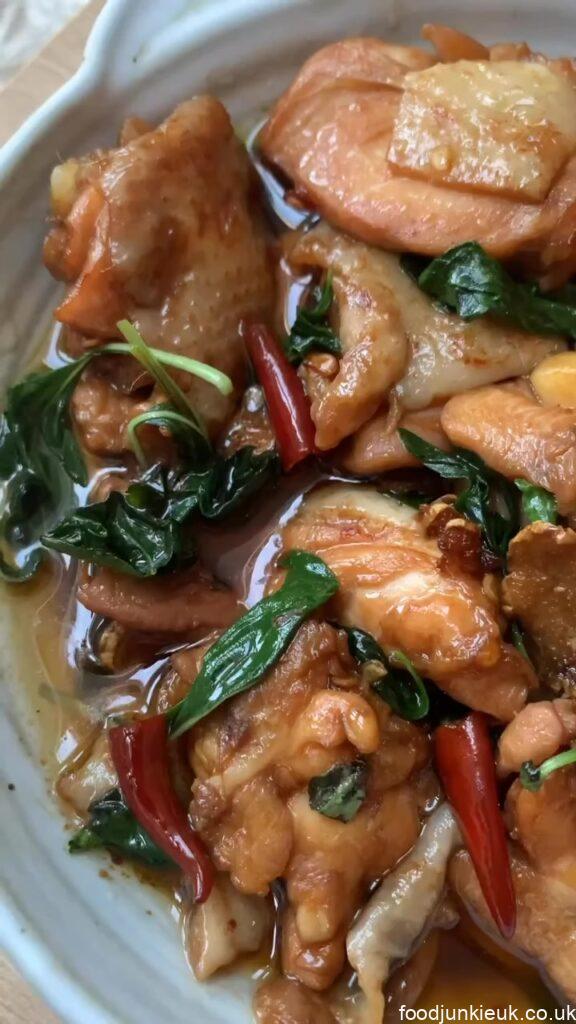
Three cup chicken is a common dish that you can find in most stir-fry restaurants in Taiwan, and it goes so well with rice and beer. The name comes from the three “cups” in the sauce: one part soy sauce, one part sesame oil and one part rice cooking wine. The sauce is really versatile, so you can swap the chicken for tofu, king oyster mushroom or even squid. The one thing you mustn’t change is the basil. It has to be Thai basil or sweet basil, otherwise it tastes very different.
2. Taiwanese braised pork belly
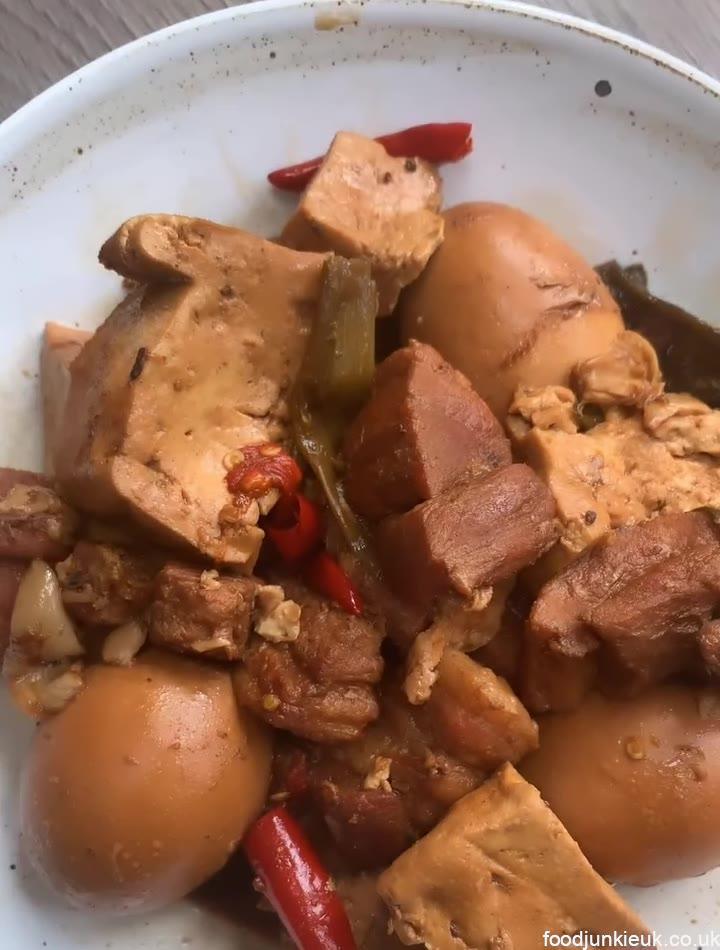
This is definitely one of my most cooked dishes, because it’s a one pot dish that’s perfect for batch cooking and taking to work in a lunch box. The trick is to use the oil from the pork belly itself, so you don’t need any extra oil. Eggs are usually a must, and I like to add firm tofu after 30 minutes, as it soaks up the broth quickly. I also make a version with Coke instead of sugar, which gives the pork a lovely brown glaze. All you need with it is a big bowl of rice.
3. Teppanyaki garlic chicken
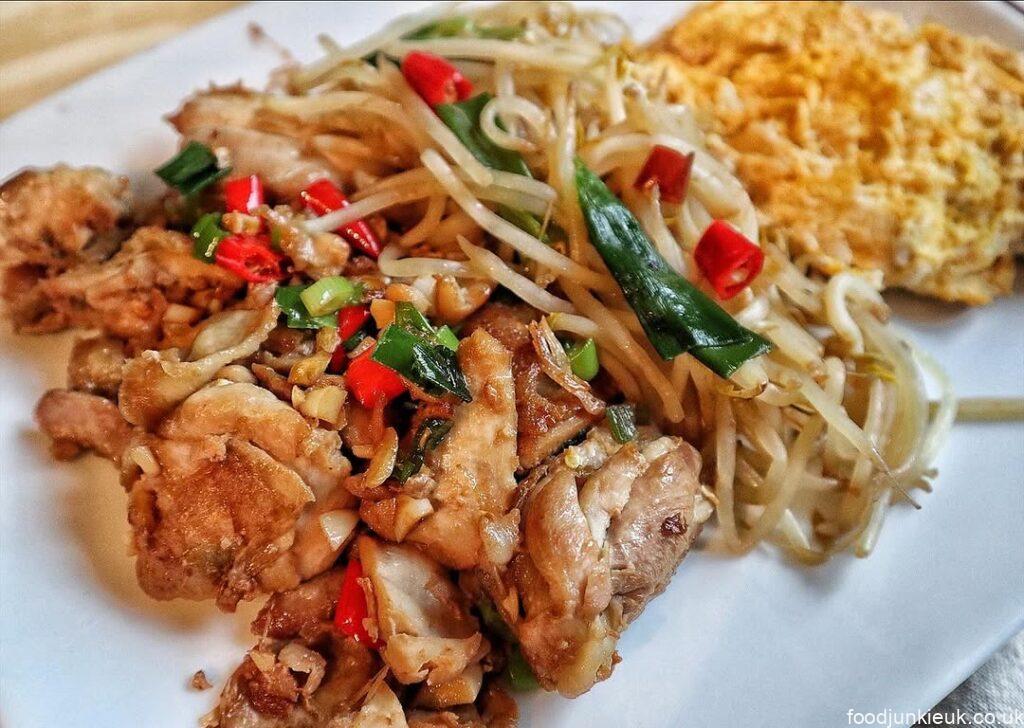
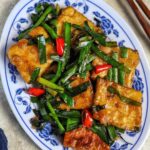
In Taiwan, teppanyaki is usually a casual counter restaurant where you sit around a big hot plate and the chef cooks your order in front of you, and garlic chicken is one of the most popular orders. You don’t need a drop of oil, because the chicken skin gives off enough once it’s been frying for a bit, and it comes out super crispy. Pat the thighs dry first and try not to touch them for the first few minutes. The spring onion and chilli go in right at the end with just a quick stir, so the spring onion stays green.
4. Taiwanese sticky rice (you fan)
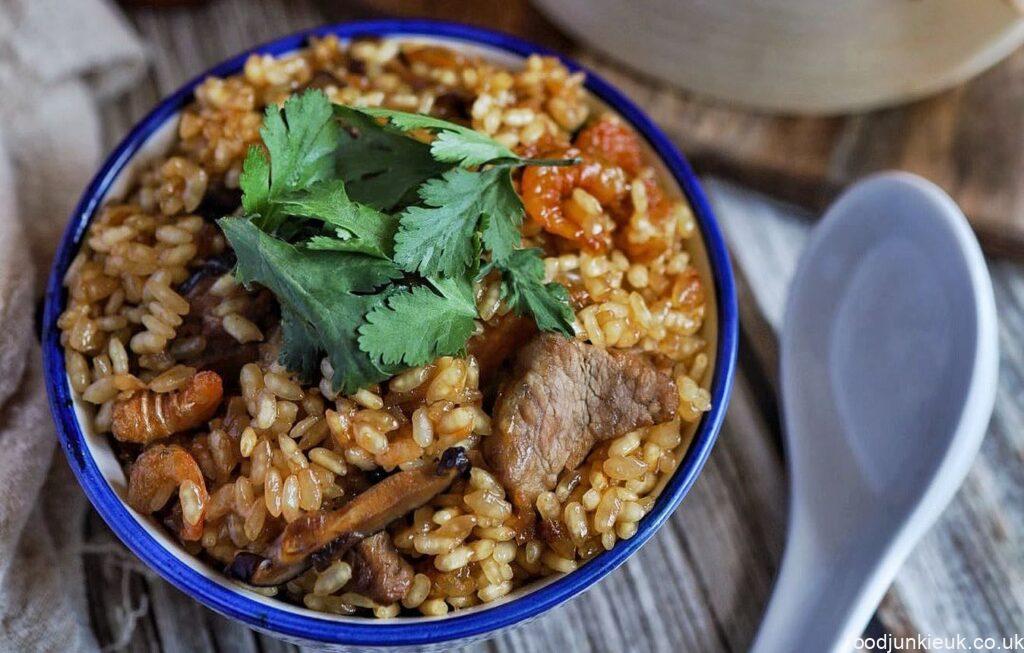
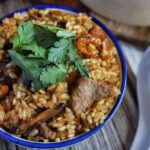
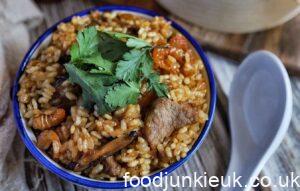
You fan (油飯) translates directly as oily rice, but it doesn’t taste oily at all. The name comes from the sesame oil added during cooking, which gives it an extra fragrance. It’s also a common gift in Taiwan: when a family’s newborn son turns one month old, they give out you fan to friends and colleagues, and if the baby is a girl, people usually give out cake instead. I cook the glutinous rice in a rice cooker, so the only work on the hob is frying the pork, mushrooms and dried shrimp.
5. Sesame oil chicken soup
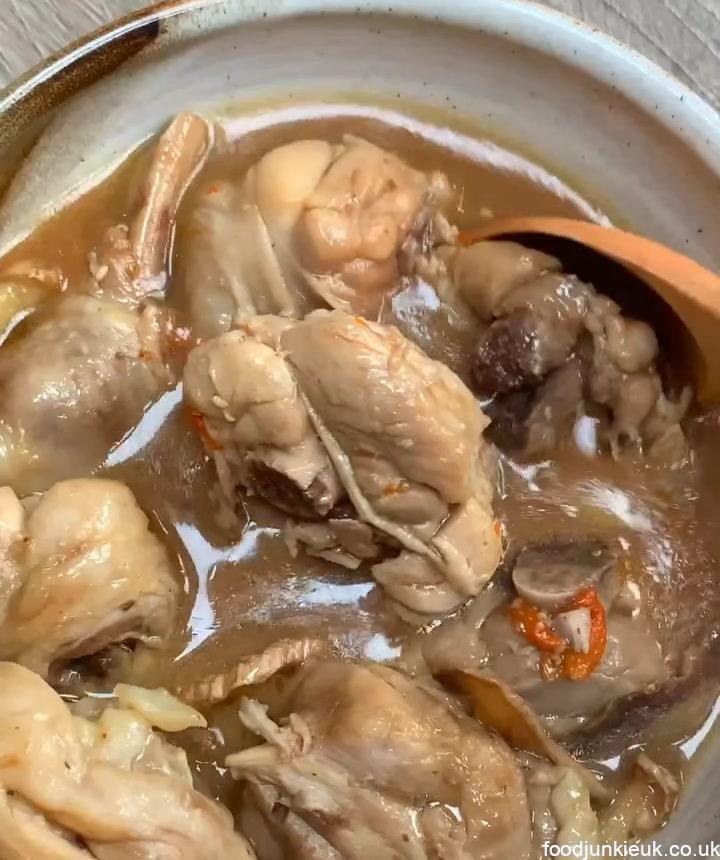
My mum always makes this soup in winter, as it warms you up straight away and you only need a small bowl. It tastes best cooked in rice cooking wine with no water at all. Don’t use any other wine: I tried Shaoxing once and wasn’t too impressed, so go for a Taiwanese rice wine if you can. The hardest part in the UK is finding chicken with the bone in, so I buy drumsticks and thighs and chop them up myself.
6. Taiwanese popcorn chicken
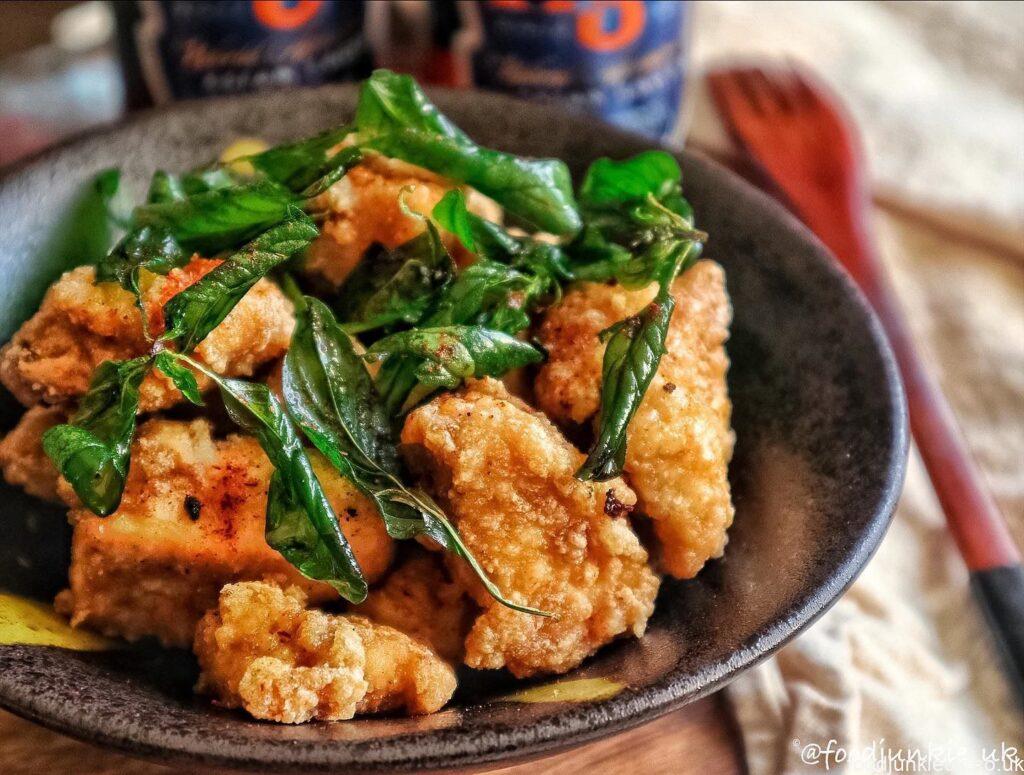
Taiwanese popcorn chicken is quite different from the fried chicken in the UK. It’s not only the batter: Taiwanese people deep fry all sorts of things to go with it, like mushrooms, tofu or little hot dogs. The soul of it is the fried basil at the end, so don’t skip it. For the bumpy, crunchy coating, look for the coarse Taiwanese sweet potato starch (地瓜粉) in an Asian supermarket. Cornflour works, but the coating comes out smoother and less crunchy.
7. Gua bao (Taiwanese bao buns)
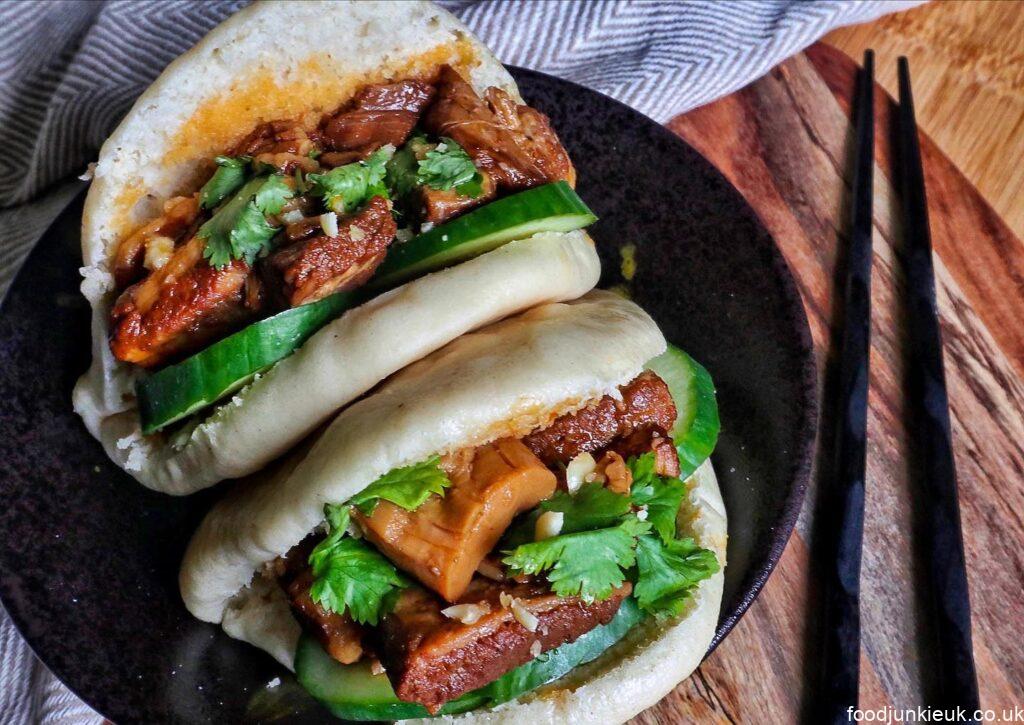
Bao buns in Asian restaurants all come from this traditional Taiwanese street food. The original filling is braised pork belly, ground peanut powder with sugar, pickled mustard greens and coriander, but I didn’t have pickled mustard greens, so I used fresh cucumber instead. The bun is shaped like a wallet, so at end of year business banquets it stands for a wallet full of money in the year ahead. The buns freeze well for up to 3 months, and you can steam them straight from frozen.
8. Spring onion pancake
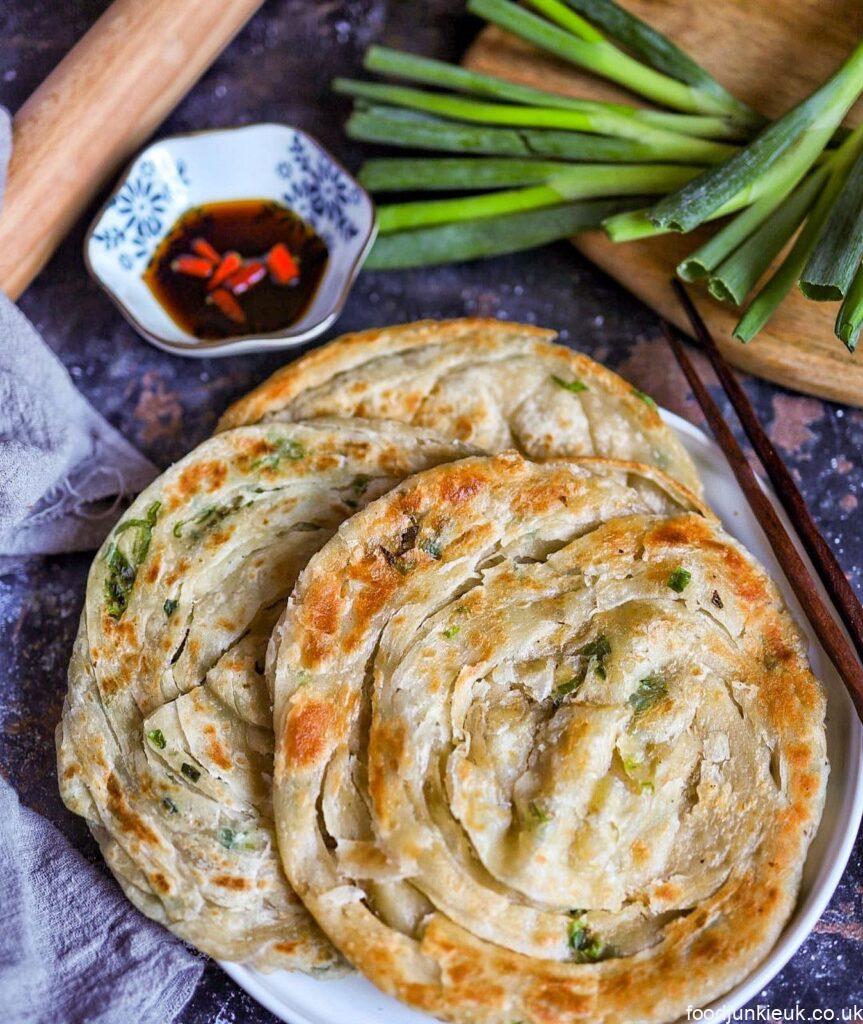
Spring onion pancake is one of the Taiwanese street snacks I love to grab. There was a little stall next to my school that was always crowded with kids who had just finished class, and it was common to get one with an egg and some sauce before going to cram school. There are thick ones and crispy ones, but my favourites have lots of flaky layers. The Chinese name means “spring onion oil pancake”, so don’t be afraid to use plenty of oil, as it really makes a difference.
9. Black pepper pork buns (hu jiao bing)
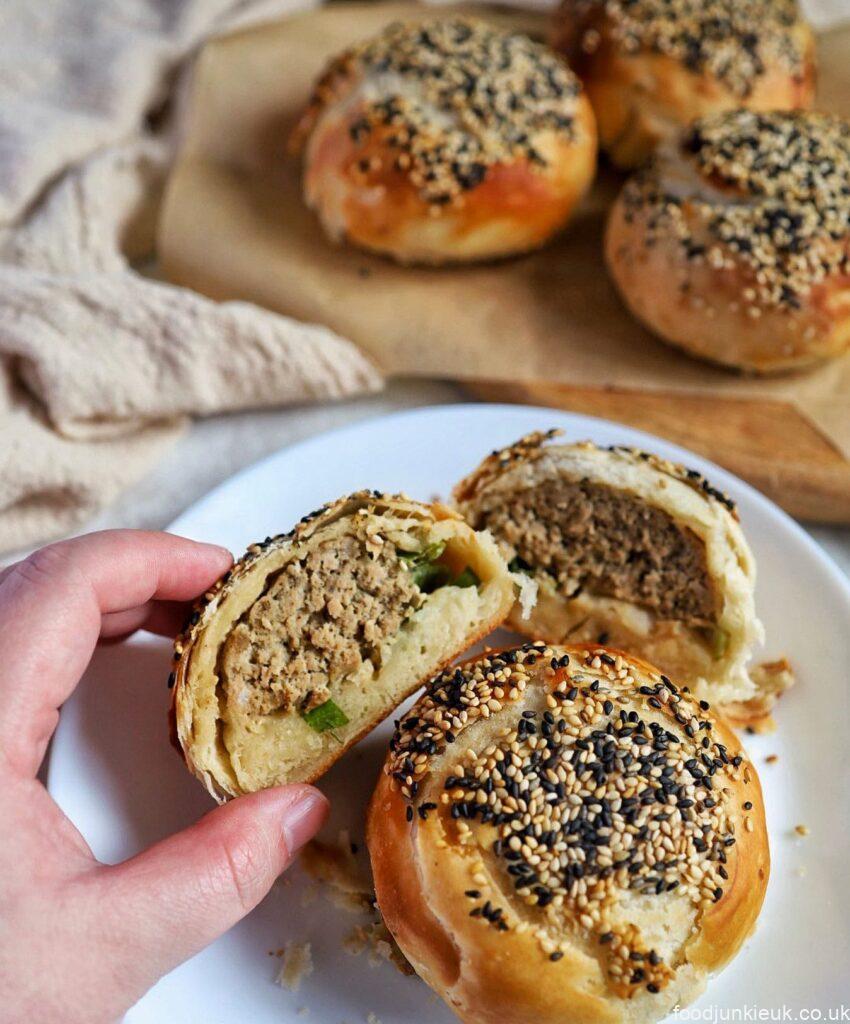
These are a famous street food snack from Raohe Night Market in Taipei, the night market I grew up with, and there’s always a long queue at the stall. They stick the buns around the inside of a big charcoal kiln, which is where their special flavour comes from. I can’t fully replicate that at home, but brushing some honey sugar water over the buns before they go in the oven helps to mimic it. They’re quicker to make than they look, because the dough doesn’t need proving, so the whole thing takes about an hour. My one tip is to stuff in as much spring onion as you can, because I didn’t put in enough when I made these.
10. Tea eggs (marble eggs)
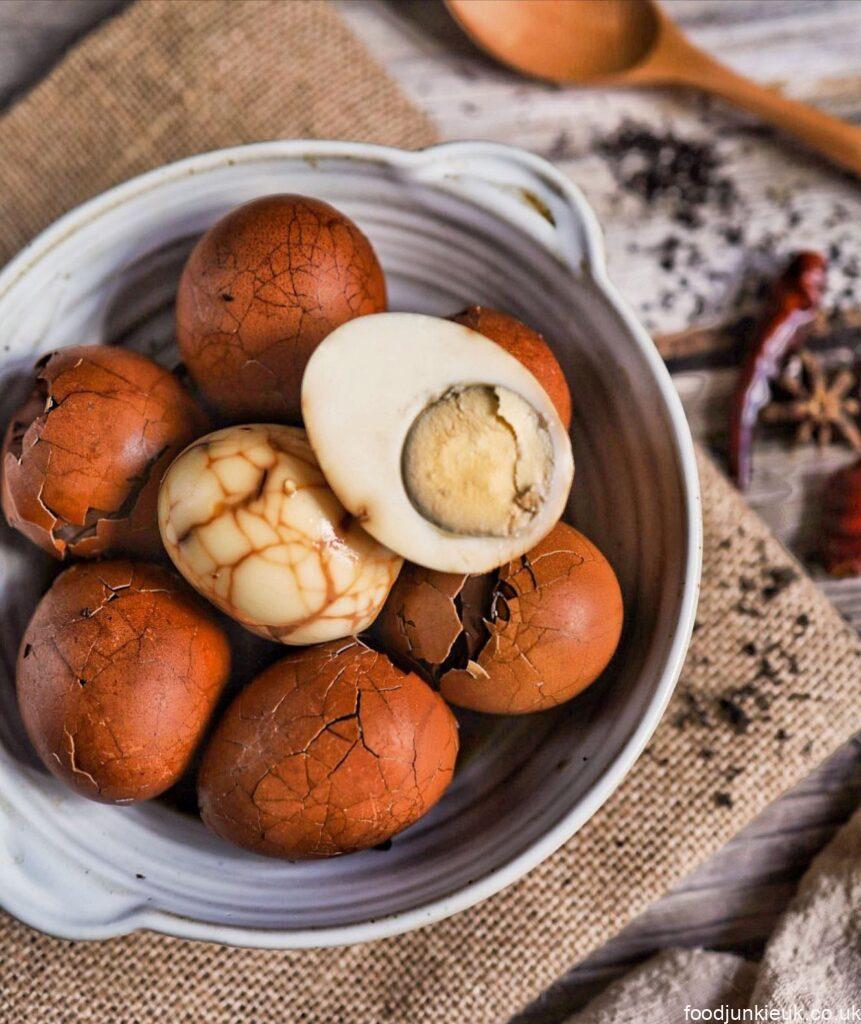
Tea eggs are a common snack in every convenience store in Taiwan, as they’re cheap and quite a healthy savoury snack. I absolutely love the smell while they’re cooking, a mix of tea and spices. The special thing about them is the cracked pattern on the shell, which makes them look like marble, so they’re also called marble eggs in English. They’re super easy to make, and they keep in the fridge for up to a week.
More recipes
See all